
 Consultation Phone:
0755-82328526
Consultation Phone:
0755-82328526
Consultation Phone:
0755-82328526
Consultation Phone:
0755-82328526


— Industrial Module —
 Customer Service Phone0755-82328526
Email: gdguoyuan888@vip.163.com
Address: 深圳市罗湖区深南东路5002号信兴广场地王商业中心商业大楼4011
Agarwood cultivation
Details
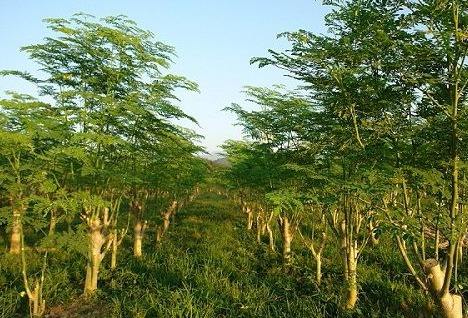
Our company has initiated the China Incense Industry Working Committee, which plans to establish branches and rural cooperatives in 7 provinces and regions (Guangdong, Guangxi, Hainan, Yunnan, Hong Kong, Macao, Taiwan, Fujian, and some areas of Sichuan where agarwood is suitable for cultivation), and apply cutting-edge planting techniques to guide planting bases. This will greatly increase agarwood oil production and shorten the agarwood planting cycle.
At the same time, in Liaobu Town, Dongguan, the headquarters of Huaxia Xiangdu, we will use 6029 acres of land in the second phase of the construction plan to build an experience area that combines wetland park, Guanxiang planting, vanilla ecological planting, and leisure tourism and vacation functions.
The cultivation of agarwood can not only improve air quality and optimize living environment, but also bring tangible economic benefits to growers.
According to the market trend in 2019, the market price of natural agarwood is between 40-300 yuan per gram.
Firstly, agarwood is a very scarce and non renewable resource, and is sold in grams in the market. Unlike other types of gold, silver, and jewelry, the price of the finished product is determined by its rarity. It is widely known that agarwood prices rise every year due to its low production and high demand.
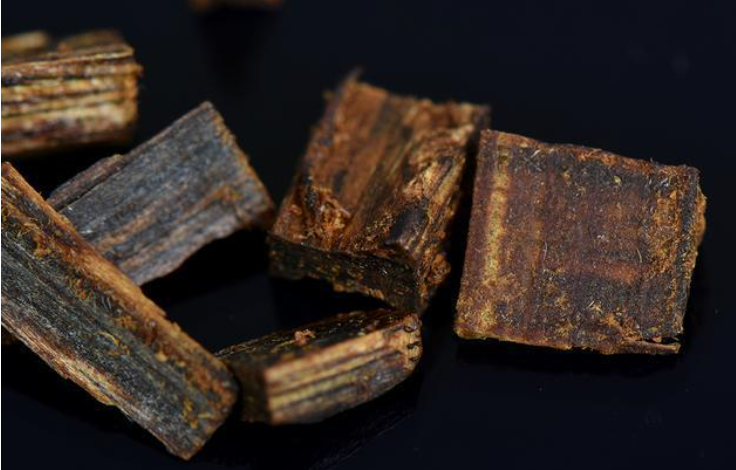
Moreover, the price of agarwood sold in each production area varies due to its quality, fragrance, and other differences. The cheapest ones are a few thousand yuan, the more expensive ones are tens of thousands, and the better ones are hundreds of thousands or more. For example, the price of Qinan incense starts at a million yuan, and the difference is significant. It is different from other things that can be bought with money, but agarwood has a price but no market. To establish a connection with agarwood, it also requires a predetermined fate.
What is the most expensive price for agarwood
The most precious among agarwood is undoubtedly 'Qinan', which has an astonishing price ranging from 10000 to 15000 yuan per gram. In the 1980s, Lvqinan only charged 20-30 yuan per gram and purchased pharmaceuticals. There are also different grades in agarwood. It is easy for a good grade to become a top-quality agarwood with a market price of over ten thousand yuan or over a thousand yuan. However, the price of ordinary agarwood is naturally not that high. There are good and bad things, and agarwood is no exception. Therefore, investing in agarwood requires a rational analysis.
1. Adaptability to temperature
Bai Mu Xiang prefers high temperature environments and requires an average annual temperature of 20 ℃ or above to grow and develop well. The lowest temperature is 3 ℃, and it can adapt to brief low-temperature frost in winter. The temperature is high, and Bai Mu Xiang grows quickly.
2. Requirements for lighting
The seedlings and young stage of Bai Mu Xiang are more tolerant to shade and not to direct sunlight, which is beneficial for growth. It has growth advantages in high mountain environments with short sunlight or in dense forests on the mountainside. But the shade should not be too large, generally 40% -50% is suitable. And when reaching adulthood, one prefers light. Only with sufficient light can flowers and fruits bloom normally, and the seeds be full and strong. Only with sufficient light conditions can fragrance and high-quality fragrance be produced.
3. Adaptability to soil
Bai Mu Xiang does not have strict or high requirements for soil, and can grow in acidic sandy loam, yellow soil, and red soil. In its wild state, Bai Mu Xiang grows slower, has poorer growth, and is more fragrant than trees with superior water and fertilizer conditions. It also has a stronger aroma and more oil, making it easier to produce fragrance and of better quality. Under deep and fertile soil conditions, the bark tissues of wood are loose, with less resin secretion, very little fragrance, and poor quality.
4. Requirements for moisture
Bai Mu Xiang prefers wetting and is drought resistant, requiring an annual rainfall of 1500-2000mm. In relatively humid environments, Bai Mu Xiang grows quickly in height and thickness. However, on dry and barren slopes, its growth is poor, but it still survives. According to Bai Mu Xiang planted in Yangzhen, Lufeng County, it has been planted for more than 20 years, with a height of no more than 6m and a breast height diameter of only 20cm. Although its growth is poor, its fragrance quality is good.
Additional Information:
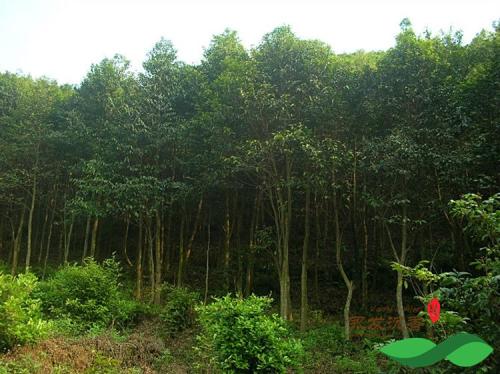
Agarwood trees prefer to grow in low altitude mountains, hills, and sparse forests on sunny roadsides. Generally born below an altitude of 400 meters, it can reach up to 1000 meters in Hainan.
The distribution area is located near and south of the Tropic of Cancer, belonging to a hot, rainy, humid tropical and subtropical monsoon climate. The annual average temperature is 19-25 ℃, with an average temperature of 13-20 ℃ in January and an average temperature of about 28 ℃ or above in July. The extreme minimum temperature can even reach minus (-1.8) ℃. The annual precipitation is 1600-2400 millimeters, and the relative humidity is 80-88%. Prefer moist and loose red soil or mountainous yellow soil with thick soil layers and abundant humus. Mostly found in mountain rainforests or semi evergreen seasonal rainforests. As a weakly positive tree species, it is shade tolerant when young.
With the development of social economy and the continuous improvement of people's living standards, people have a deeper understanding of the medicinal value of agarwood, and the demand for its products has further increased. In addition to medicinal use, the development of agarwood health products and daily necessities is also increasing, such as agarwood tea, agarwood air freshener, agarwood toothpaste, soap, shampoo, enhancing the aroma of alcohol, and so on.
However, due to natural disasters and excessive harvesting and logging by humans, the wild resources of agarwood have become increasingly depleted. A considerable part of China's medicinal resources rely on imports, which are scarce and expensive. Good agarwood costs over 10000 yuan per kilogram, and the country is vigorously encouraging private cultivation. Agarwood is a precious traditional Chinese medicine with a long history of use in China.
There are several types of agarwood fragrances, including:
1、 Fragrant threads. The common straight incense can be further divided into vertical burning "standing incense", horizontal burning "lying incense", bamboo sticks incense with bamboo and wood cores, and so on.
2、 Pan Xiang. Also known as "Huanxiang", a spiral shaped incense burner that can be hung or supported by a bracket for smoking. Some small incense burners can also be placed flat in the incense burner for use.
3、 Fragrance powder. Also known as' Mo Xiang ', it is a powdery fragrance that requires the use of some incense utensils.
4、 Buddha beads. Originally called "prayer beads", it originated from the name of holding the Three Treasures of Buddhism for monks, used to eliminate afflictions and obstacles and to report them. It can usually be divided into three types: holding beads, wearing beads, and hanging beads. The number of beads in each string represents different meanings.
5、 Pendants, accessories, ornaments, etc. Agarwood materials are already rare, and turning them into works of art not only allows them to be played with at any time, but also has great artistic collection value.
Fragrant picking: It can be done all year round, but it is recommended to use spring for artificial flavoring to facilitate the continued growth of the bacterial strain after harvesting. The specific method is to select the condensed black brown or brown trunk parts with aromatic resin, divide and cut them, and the remaining live plants can still produce fragrance; After the trunk has formed fragrance, it extends all the way to the roots and should be dug up together.
Processing: Cut and remove the white and decayed parts of the harvested tree trunks and roots with a sharp knife before drying them in the shade. Then further use small chisels and carving knives with semi-circular edges to carve and remove white light wood and decayed wood that do not contain fragrance, leaving behind black hard wood. Process it into blocks, sheets, or small pieces, and dry them in the dark to become the product. Its agarwood blocks or fragments are made into agarwood powder and agarwood powder, which can be used as medicine.
Artificial fragrance: The stem of agarwood trees will not produce fragrance under normal circumstances until it is injured. Under natural conditions, relying on natural fragrance production has a slow speed. People are gradually exploring the use of artificial fragrance. Artificial incense making is the process of artificially causing damage to the stems of agarwood trees, such as cutting with knives, insect infestations, decay, and fungal infections, in order to activate the endocrine resin of the tree and solidify it in the wood. Through the catalysis of time, it forms "agarwood".
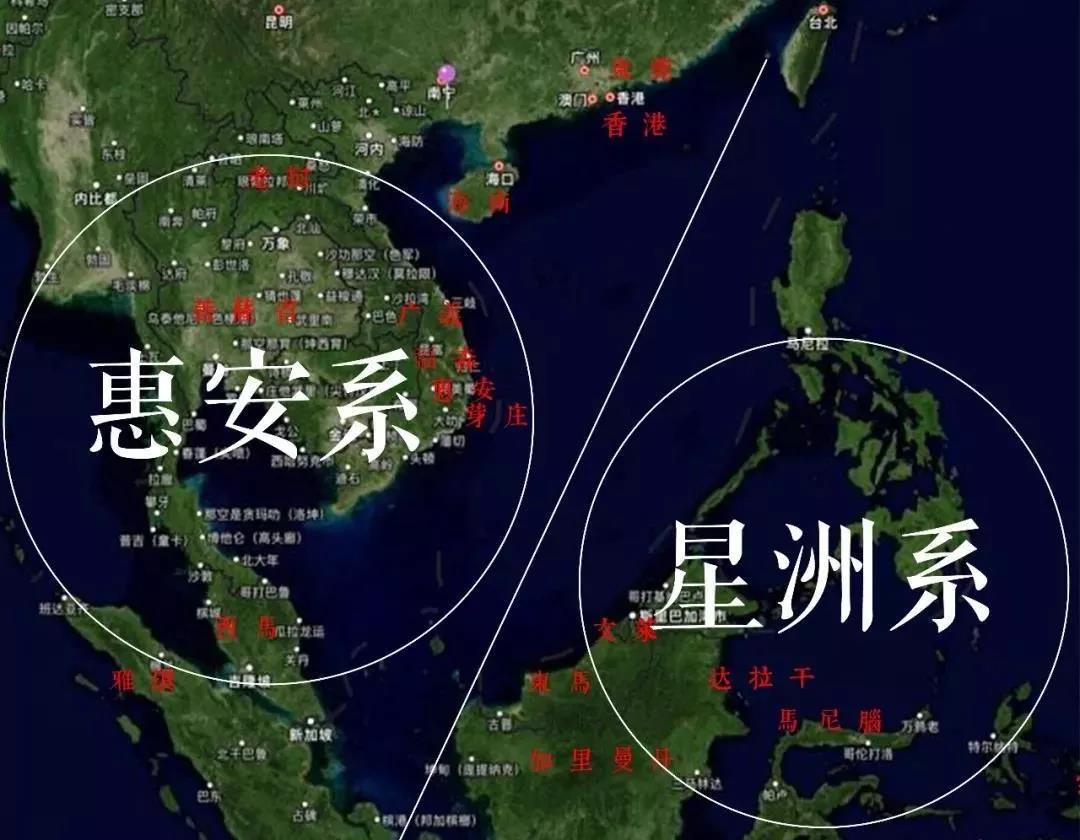
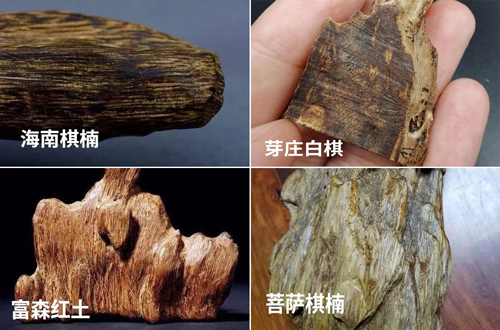
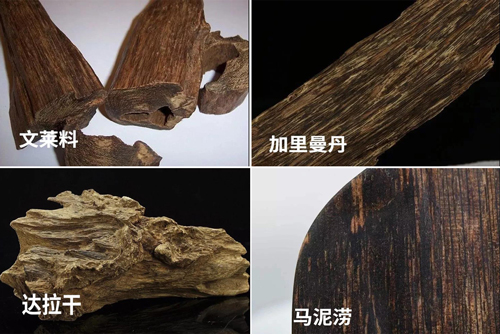
Due to the different tree species, environments, and fungal populations that produce agarwood, there are various types of agarwood with different flavors and appearances. And in the classification of agarwood varieties, a popular one is to divide them according to the way agarwood is produced.
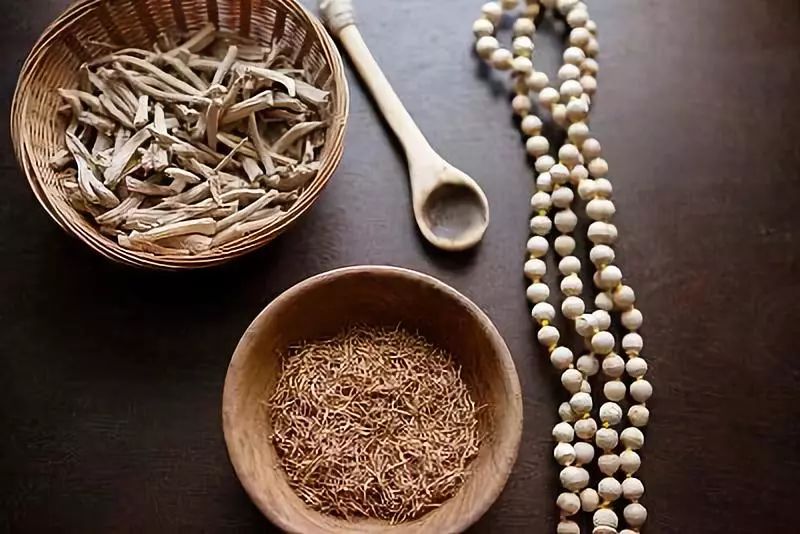
Agarwood can be mainly divided into six types in terms of fragrance formation: upside down, soil sinking, water sinking, ant sinking, live sinking, and white wood.
1、 Inverted frame
Inverted agarwood is generally considered the best, as it lies on the ground after its lifespan expires or other natural factors cause it to die. Under the influence of wind, rain, fungi, and other microorganisms, the immortal wood with oil is left behind. It is taken as inverted agarwood, with a clear and mellow fragrance.
2、 Soil sinking
Soil subsidence can also be considered a type of toppling, where the area that just fell is buried by soil due to a series of factors. Because the temperature and humidity in the soil are different from those on the ground, the way microorganisms decompose also changes, and the remaining oily parts have a rich and mellow aroma.
3、 Water sinking
The cause is similar to soil subsidence, except that the place where it falls is in a swamp area. After being decomposed by fungi, the immortal place that is lifted up will have a rich and mellow fragrance.
4、 Ant sinking
It is a human made process of cutting down living agarwood, allowing termites to feed on it, and then decomposing it with various fungi, leaving behind the part wrapped in oil, which has a clear fragrance.
5、 Live sinking
As the name suggests, it means that living agarwood is artificially destroyed to produce a fragrant aroma, which is quite strong.
6、 Bai Mu
This is a type of agarwood that has been cut down and is under ten years old. This type of tree is just beginning to produce fragrance and has a relatively light aroma.
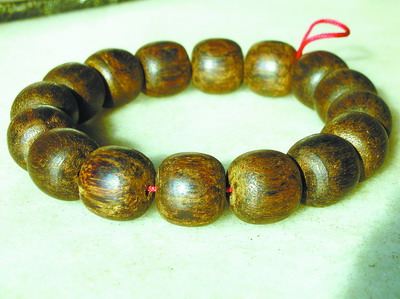
Although its fragrance may vary as mentioned earlier, the richness of the fragrance still depends on the year when the agarwood is formed. If given sufficient time, even if it is artificially immersed in the fragrance, it will be on par with other naturally generated fragrances.
There is also a special and exquisite type of agarwood called Qinan, which is usually listed separately and not classified together with ordinary agarwood. Compared to ordinary agarwood, the fragrance of Qinan is more diverse and varied. There is a saying that the fragrance of Qinan varies at twelve different times
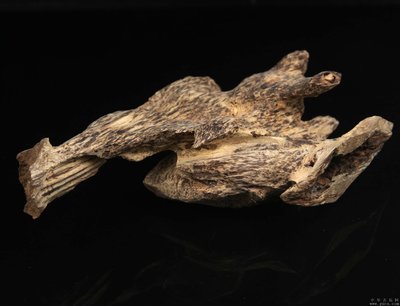
Due to the different tree species, environments, and fungal populations that produce agarwood, there are various types of agarwood with different flavors and appearances. And in the classification of agarwood varieties, a popular one is to divide them according to the way agarwood is produced.
Previous: None
Next: None

Service Hotline